
Hormone Replacement Therapy May Reduce the Risk of COVID-19 Death in Post-Menopausal Women
New research has found that women who were taking estrogen were less likely to die of COVID-19 than women with natural estrogen levels.

HRT can be prescribed to alleviate some symptoms of menopause (primarily hot flashes) by increasing estrogen levels.Alamy
Post-menopausal women who have higher estrogen levels as a result of taking hormone replacement therapy (HRT) may have a lower risk of death from COVID-19 than women with natural levels of the hormone, according to a new Swedish study.
The research, published February 14 in BMJ Open, also found that women who were taking estrogen-blocking therapy because of a previous breast cancer diagnosis were more than twice as likely to die; on the other hand, after researchers adjusted for several factors that could influence COVID-19 risk, the association was no longer statistically significant.
Estrogen is a group of hormones produced by a woman’s ovaries. As women age and approach menopause, their ovaries produce less estrogen. HRT can be prescribed to alleviate some symptoms of menopause (primarily hot flashes) by increasing estrogen levels.
There are some women who should not use HRT, including those who have problems with vaginal bleeding, who have had certain kinds of cancers, or who have had a stroke, heart attack, blood clots, or liver disease, according to MedlinePlus.
Women on HRT Were 50 Percent Less Likely to Die of COVID-19
The aim of the researchers was to see how estrogen might impact the death rates of post-menopausal women who had COVID-19. Drawing on national data from the Swedish Public Health Agency and the National Board of Health and Welfare, the study sample included a total of 14,685 women ages 50 to 80 who received a COVID-19 diagnosis between February 4 and September 14, 2020. Investigators grouped participants into one of three categories:
- 227 women (2 percent) had been previously diagnosed with breast cancer and were on estrogen blocker drugs (adjuvant therapy) to curb the risk of cancer recurrence.
- 2,535 (17 percent) were taking hormone replacement therapy (HRT) to raise estrogen levels and relieve menopausal symptoms.
- 11,923 (81 percent) weren’t on any type of estrogen enhancing or reducing therapy and were used as a control group.
Researchers found that the women on HRT were more than 50 percent less likely to die of COVID-19 than women with natural estrogen levels. After controlling for potentially influential factors such as age, annual income, educational attainment, and coexisting health conditions, the odds of dying of COVID-19 remained significantly lower for the women taking estrogen.
The women who had decreased levels of estrogen because of adjuvant endocrine therapy for breast cancer were more than twice as likely to die of COVID-19 compared with the control group,
The authors acknowledge limitations in the study: The researchers had no way of knowing if the women had been compliant in taking HRT therapy, how long they had been on HRT, or the actual estrogen levels of the individual women.
Because this research was conducted before there were vaccines against COVID-19, the findings of this study don’t show if or how much estrogen reduces the risk of severe disease and death among vaccinated women, noted the authors.
“These are interesting findings, but it’s important to note that this is just a first study,” says Sharon Nachman, MD, the director of the division of pediatric infectious diseases and the director of the office of clinical trials at Stony Brook Medicine in New York, who was not involved in the research. “As the authors here suggest, more information is needed before we draw conclusions about the impact of estrogen on COVID-19,” says Dr. Nachman.
Estrogen Levels May Impact a Key Entry Point for SARS-CoV-2
The study authors suggest that one possible mechanism for the decreased risk of COVID-19 death among women with high estrogen levels is the hormone's effect on the ACE2 receptor, a key entry point for SARS-CoV-2, the virus that causes COVID-19.
A study published in November 2020 in the American Journal of Physiology Lung Cellular and Molecular Physiology found that cells exposed to testosterone and estrogen behaved differently — while testosterone up-regulates ACE2 expression in cells, estrogen down-regulates it.
Don’t Start HRT or Stop Estrogen-Blocking Drugs Without First Talking With Your Doctor
No one should change any treatments they are taking on the basis of these preliminary findings, says Nachman. "Remember, we don’t yet know if and how estrogen contributes and in what form it contributes,” she says.
Discuss any questions or concerns with your doctor before you start or stop any drugs that affect your natural estrogen levels, says Nachman.
“For women who have undergone cancer treatment, it is important to continue taking their medication to reduce the risk of cancer recurrence. This study gives no reason to stop,” said the study's first author, Malin Sund, MD, PhD, a professor at Umeå University, in a release.
“However, they should of course be careful to get vaccinated and not expose themselves to unnecessary risk of infection,” she said.
Related News

Since ancient times, humanity across the globe has studied and applied wellness methods in harmony with nature to effectively care for both mind and body. Every nation possesses unique lifestyle habits and health practices preserved through generations:
These valuable experiences from long-standing traditions form a rich treasury that modern science continuously explores to support physical and mental well-being.
Understanding the Link: Body Fat, Insulin, and Cancer Growth
In the realm of health discussions, the connection between body fat, insulin levels, and cancer growth has garnered significant attention. Research has unveiled a compelling association between higher body fat percentages and elevated insulin levels, contributing significantly to the development and progression of cancer.

Do you know that, after smoking, unhealthy weight is the high risk factor to cancer ? What happens if you do not maintain a healthy weight?
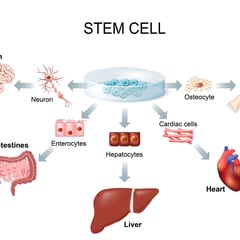
Stem cell therapy is a type of regenerative medicine used to treat and study disease. It is used in cancer treatment and to reduce the risk of infection.1
American Cancer Society. How stem cell and bone marrow transplants are used to treat cancer.
Researchers are looking for other ways to use stem cells in medical therapies.
This article will cover stem cells, which conditions they treat, and their safety. It will also discuss stem cell therapy's side effects and risks.

The term “alternative medicine” encompasses a wide range of medical practices and systems from cultures around the world.
While doctors in one part of the world might regard a practice as mainstream, doctors elsewhere might view the same practice as alternative.
This article discusses what alternative medicine is, different types of alternative medicine, and whether it is better than conventional medicine.
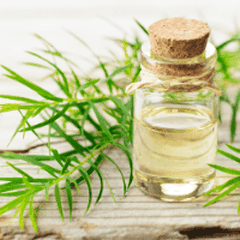
Tea tree (or Tea tree) is a very trendy oil… Have you ever heard of tea tree oil? Surely there must be! By friends, family or colleagues… Tea tree oil appears quickly in conversations when we talk about essential oils or aromatherapy…
So what is this essential oil? What is it really for?
We will clarify the story regarding this little star!
Are Multivitamins Really Any Good for Your Health?
By Karen Ansel, RDNMedically Reviewed by Lynn Grieger, RDN, CDCES
Reviewed: