
Body fatness and cancer
Do you know that, after smoking, unhealthy weight is the high risk factor to cancer ? What happens if you do not maintain a healthy weight?
Body Fatness and Cancer – Underlying Mechanisms
A person becomes overweight when he/she is taking in more calories through diet than he/she is burning through physical activity.
Your body stores the excess energy from drinks and food as fat in adipose tissue. Having excess body fat can have harmful effects, like producing specific hormones and growth factors
that affect the way our cells work.And this can increase the risk of several diseases, including cancer.
The World Cancer Research Fund concluded in its Third Export Report that there is convincing and probable evidence that excess body fatness increases the risk of at least 12 different types of cancer, namely head and neck cancers, oesophageal cancer (adenocarcinoma), stomach cancer (cardia), pancreatic cancer, gallbladder cancer, liver cancer, colorectal cancer, breast cancer (postmenopausal), ovarian cancer, endometrial cancer, prostate cancer (advanced) and kidney cancer.
There are various metabolic, endocrine and inflammatory abnormalities associated with adiposity which may contribute to an increased cancer risk. These potential mechanisms are briefly discussed below. In addition, other factors or processes, such as the intestinal microbiota and angiogenesis, may play a potential role in the association between body fatness and cancer risk, although the exact mechanisms are not fully elucidated.
Sex hormones
Greater body fatness has been associated with elevated sex hormone levels, such as estrogens. Alterations in sex hormone levels may result in further metabolic or endocrine abnormalities and can also impact cellular growth. A relatively high and prolonged exposure to estrogens during the life course may be associated with an increased risk of breast, ovarian and endometrium cancer.
Insulin and growth factors
Adiposity is associated with elevated levels of fasting insulin which may exert further metabolic abnormalities. Insulin resistance and hyperinsulinemia over a period of time can affect levels of growth factors, such as insulin-like growth factor 1 (IGF1). Elevated levels of IGF1 have been implicated in the aetiology of various types of cancer. Both IGF1 and other growth factors may encourage uncontrolled cell growth and as such promote the development of cancer.
Chronic inflammation
Chronic inflammation is commonly associated with greater body fatness and at the same time is considered one of the hallmarks of cancer. It has been suggested that chronic inflammation can promote cancer development and progression through several mechanisms including effects on cell growth, cell survival, angiogenesis, and development of metastasis.
Source: World Cancer research fund (WCRF)
Related News

Since ancient times, humanity across the globe has studied and applied wellness methods in harmony with nature to effectively care for both mind and body. Every nation possesses unique lifestyle habits and health practices preserved through generations:
These valuable experiences from long-standing traditions form a rich treasury that modern science continuously explores to support physical and mental well-being.
Understanding the Link: Body Fat, Insulin, and Cancer Growth
In the realm of health discussions, the connection between body fat, insulin levels, and cancer growth has garnered significant attention. Research has unveiled a compelling association between higher body fat percentages and elevated insulin levels, contributing significantly to the development and progression of cancer.
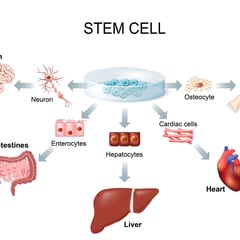
Stem cell therapy is a type of regenerative medicine used to treat and study disease. It is used in cancer treatment and to reduce the risk of infection.1
American Cancer Society. How stem cell and bone marrow transplants are used to treat cancer.
Researchers are looking for other ways to use stem cells in medical therapies.
This article will cover stem cells, which conditions they treat, and their safety. It will also discuss stem cell therapy's side effects and risks.

The term “alternative medicine” encompasses a wide range of medical practices and systems from cultures around the world.
While doctors in one part of the world might regard a practice as mainstream, doctors elsewhere might view the same practice as alternative.
This article discusses what alternative medicine is, different types of alternative medicine, and whether it is better than conventional medicine.
Tea tree (or Tea tree) is a very trendy oil… Have you ever heard of tea tree oil? Surely there must be! By friends, family or colleagues… Tea tree oil appears quickly in conversations when we talk about essential oils or aromatherapy…
So what is this essential oil? What is it really for?
We will clarify the story regarding this little star!
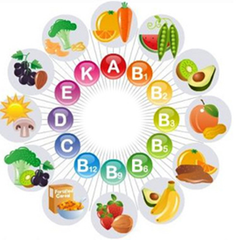
Are Multivitamins Really Any Good for Your Health?
By Karen Ansel, RDNMedically Reviewed by Lynn Grieger, RDN, CDCES
Reviewed:

New research has found that women who were taking estrogen were less likely to die of COVID-19 than women with natural estrogen levels.