
Tea tree oil -- A Magic Oil
Tea tree (or Tea tree) is a very trendy oil… Have you ever heard of tea tree oil? Surely there must be! By friends, family or colleagues… Tea tree oil appears quickly in conversations when we talk about essential oils or aromatherapy…
So what is this essential oil? What is it really for?
We will clarify the story regarding this little star!
The origins
Originally from Australia, the Tea Tree is a shrub 3 to 6 meters high that grows particularly in flood-prone and swampy areas. It is particularly present in the subtropical regions of the south-east of the country. Its leaves and branches are harvested to extract tea tree essential oil.
Not to be confused with the tea tree, native to Asia, whose leaves are used to make tea!
How is this oil obtained? It is obtained by steam distillation of the foliage and terminal branches of Melaleuca alternifolia, of the Myrtaceae family.
The benefits
Scientific studies have confirmed that the leaves of the Tea Tree have a very strong anti-infective potential. Thus, tea tree essential oil has antibacterial activity against different strains such as Staphylococcus aureus (staphylococcus), Escherichia coli, Haemophilus influenzae or even Streptococcus.
It is also a very good antifungal that destroys the fungi that cause nail fungus and athlete's foot. It is very active as an antiviral on many viruses such as herpes or influenza.
It therefore ultimately has a broad spectrum of activity because it is also very useful in the fight against various ENT infections (bronchitis, rhinitis, sinusitis, pharyngitis, etc.), genital infections (urethritis, cystitis, vulvovaginitis, prostatitis, genital candidiasis etc.), mouth (gingivitis, mouth ulcers, abscesses, etc.), skin (fungal infections, boils, impetigo, etc.) and intestinal. It can be used orally under certain conditions: a maximum of one drop per day on a medium such as a piece of sugar or a spoonful of honey or a fatty substance such as olive oil.
Studies also show that this essential oil has immunostimulating effects and thus helps to strengthen the body's immune defenses. It is very useful in preventing the risk of infection or epidemic at the onset of winter. It also helps the immune system for post-illness recovery or during severe winter fatigue, it is a very good tonic when diffused in a device provided for this purpose.
Finally, one of the ancestral uses of the Tea Tree was to heal wounds. Indeed, this oil has many benefits and virtues for the skin. It can be used to treat acne, eczema, burns, insect bites or cold sores. A few pure drops can be applied directly to these conditions or you can also integrate them into a cosmetic preparation (cream, mask, mixture of oils).
But beware!
Before any use, always ask a doctor for advice to avoid any problem.
Indeed, in fairly recent studies published in the New England Journal of Medicine, scientists who have studied the effect of essential oils on human cells have concluded that they mimic the activity of natural estrogens. It is therefore strongly discouraged to use certain essential oils such as Tea Tree in children and pregnant women because abnormal estrogenic activity could appear.
Also, allergic reactions, respiratory tract irritation, neurological disorders and other adverse effects can occur when they are misused.
So we will never remind you enough but always ask a professional for advice before use.
Related News
Since ancient times, humanity across the globe has studied and applied wellness methods in harmony with nature to effectively care for both mind and body. Every nation possesses unique lifestyle habits and health practices preserved through generations:
These valuable experiences from long-standing traditions form a rich treasury that modern science continuously explores to support physical and mental well-being.
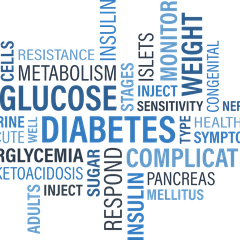
Understanding the Link: Body Fat, Insulin, and Cancer Growth
In the realm of health discussions, the connection between body fat, insulin levels, and cancer growth has garnered significant attention. Research has unveiled a compelling association between higher body fat percentages and elevated insulin levels, contributing significantly to the development and progression of cancer.

Do you know that, after smoking, unhealthy weight is the high risk factor to cancer ? What happens if you do not maintain a healthy weight?
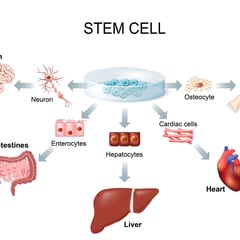
Stem cell therapy is a type of regenerative medicine used to treat and study disease. It is used in cancer treatment and to reduce the risk of infection.1
American Cancer Society. How stem cell and bone marrow transplants are used to treat cancer.
Researchers are looking for other ways to use stem cells in medical therapies.
This article will cover stem cells, which conditions they treat, and their safety. It will also discuss stem cell therapy's side effects and risks.

The term “alternative medicine” encompasses a wide range of medical practices and systems from cultures around the world.
While doctors in one part of the world might regard a practice as mainstream, doctors elsewhere might view the same practice as alternative.
This article discusses what alternative medicine is, different types of alternative medicine, and whether it is better than conventional medicine.
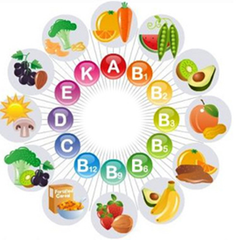
Are Multivitamins Really Any Good for Your Health?
By Karen Ansel, RDNMedically Reviewed by Lynn Grieger, RDN, CDCES
Reviewed:

New research has found that women who were taking estrogen were less likely to die of COVID-19 than women with natural estrogen levels.